
Welcome In!
What is Music Therapy?
Directly from the American Music Therapy Association:
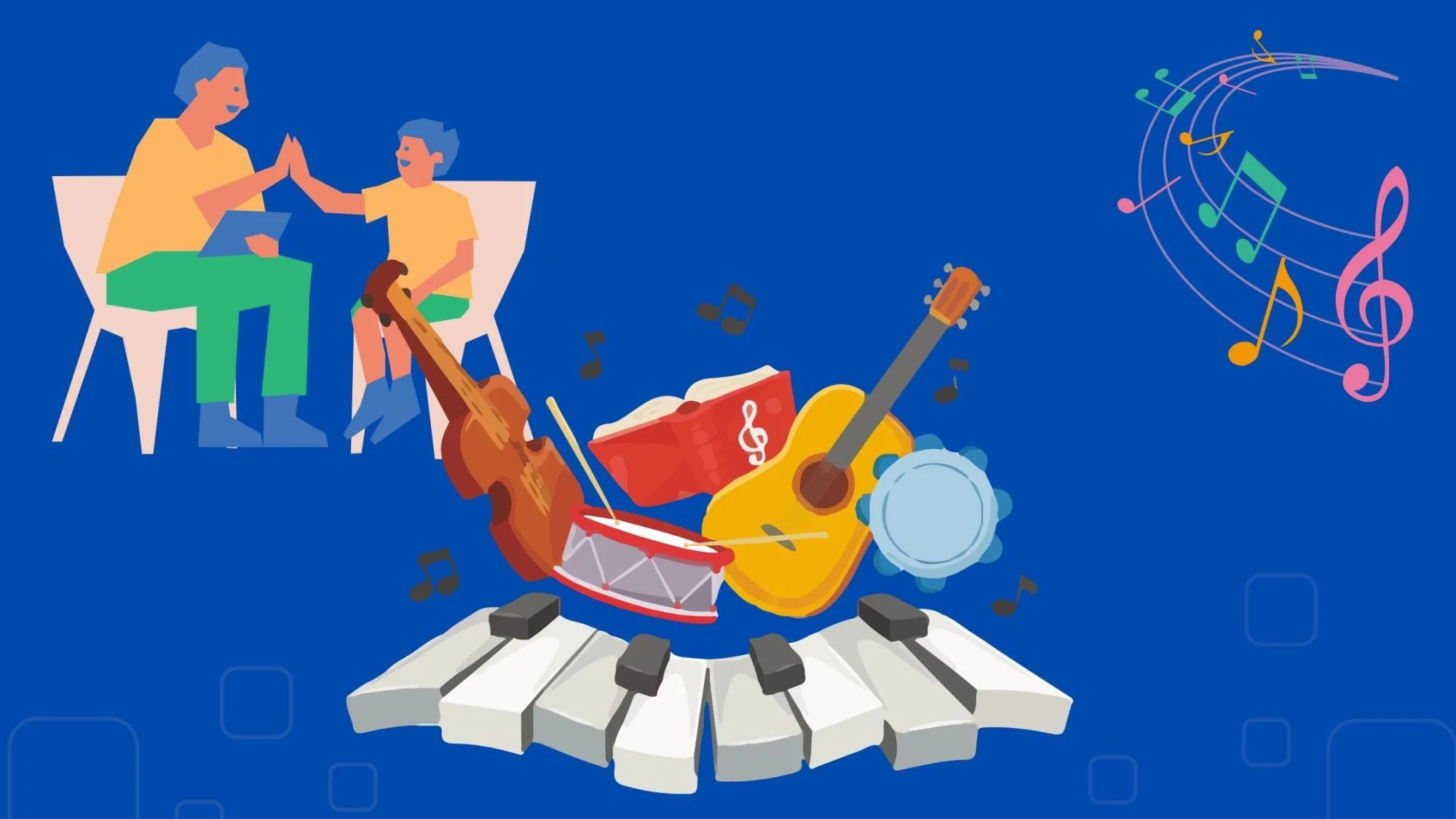
Music Therapy is the clinical & evidence-based use of music interventions to accomplish individualized goals within a therapeutic relationship by a credentialed professional who has completed an approved music therapy program. Music therapy interventions can address a variety of healthcare & educational goals:
Promote Wellness
Manage Stress
Alleviate Pain
Express Feelings
Enhance Memory
Improve Communication
Promote Physical Rehabilitation
and more
To learn more about AMTA and Music Therapy, please click the button below…
What goals does Map2MusiK focus on?
Marlaina is a person-centered music therapist that performs from a humanistic scope. This means that each individual who is seeking music therapy services is receiving an individualized goal set and treatment plan specifically tailored to each participant’s needs. Let’s take a closer look at each goal domain…
Emotional Skills
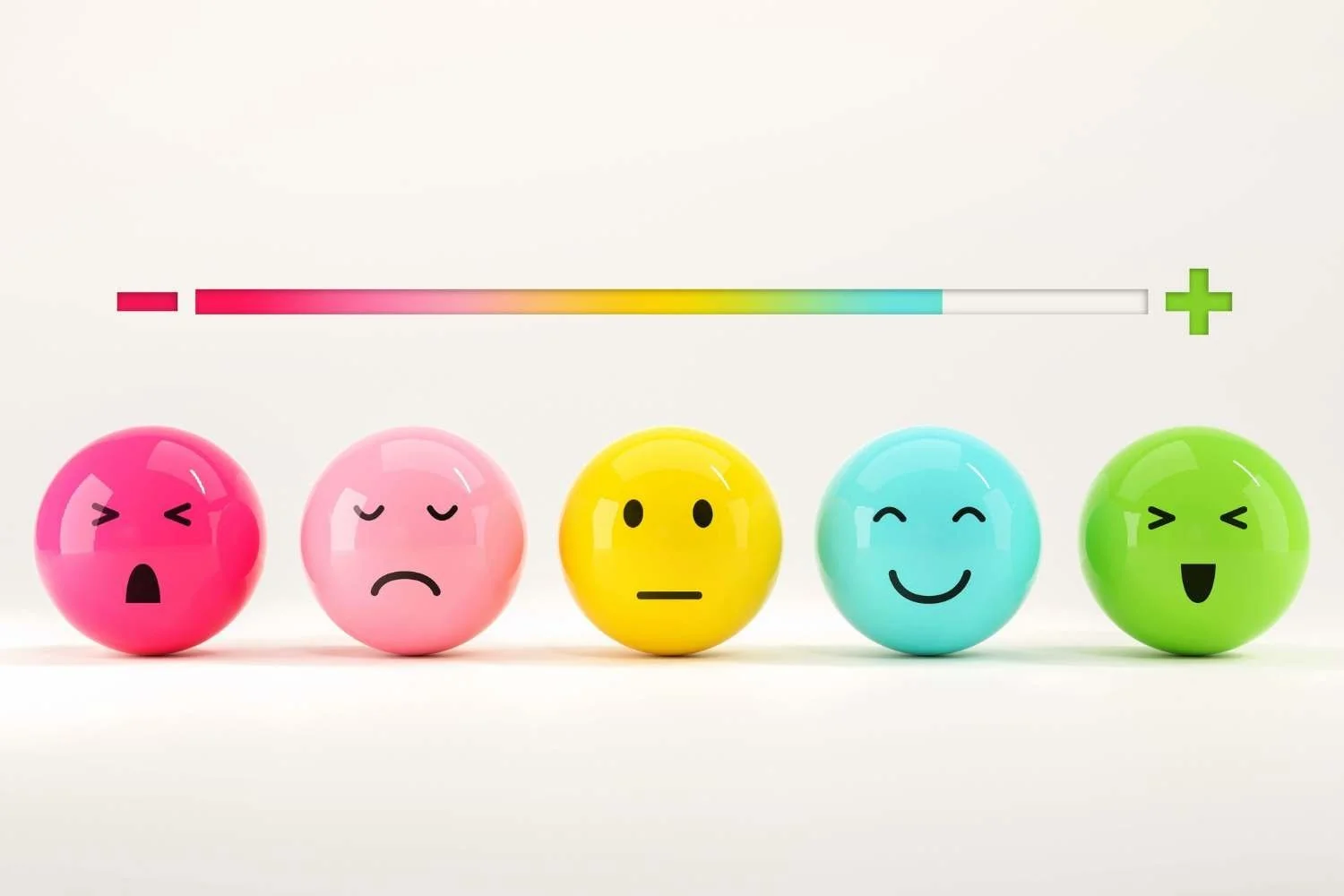
The ability to recognize, understand, name, and regulate emotions can sometimes be challenging. Music as a medium has the ability to access emotions at a deeper level, allowing the music therapist and client to explore these concepts in different ways. Some examples of goals in this domain include but are not limited to:
Labeling Emotions
Emotional Regulation and Management
Self Advocacy
Self Expression
Self Esteem
Social Skills
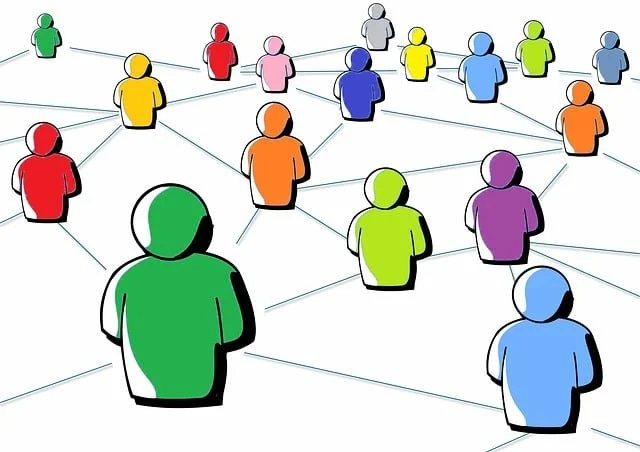
Human beings are naturally social and rely on internal and external social cues to form and maintain connections. Navigating the vast world of social skills can be confusing, however, music provides a different scope to aid in the understanding of these dynamics. Some examples of goals in this domain include but are not limited to:
Inter (between) and Intra (within) personal Skills
Conversational Syntax and Communication skills at large
Relationship Building and Management
Social Stories / Mapping
Joint Attention
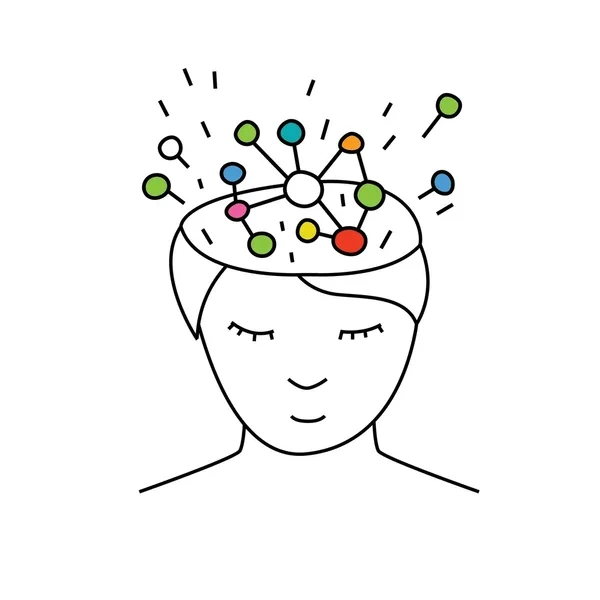
Cognitive Skills
Cognition refers to a variety of mental processes that contribute to learning and comprehension, critical and abstract thinking, memory recall, perception, and problem-solving. While we continue to learn every day, music provides added structure and support in these areas to facilitate growth. Some examples of goals in this domain include but are not limited to:
Academic Skills (such as reading, writing, language, math, etc.)
Problem Solving Skills
Abstract Thinking and Reasoning Skills
Pattern Recognition and Memory Recall
Multi-step Direction Following
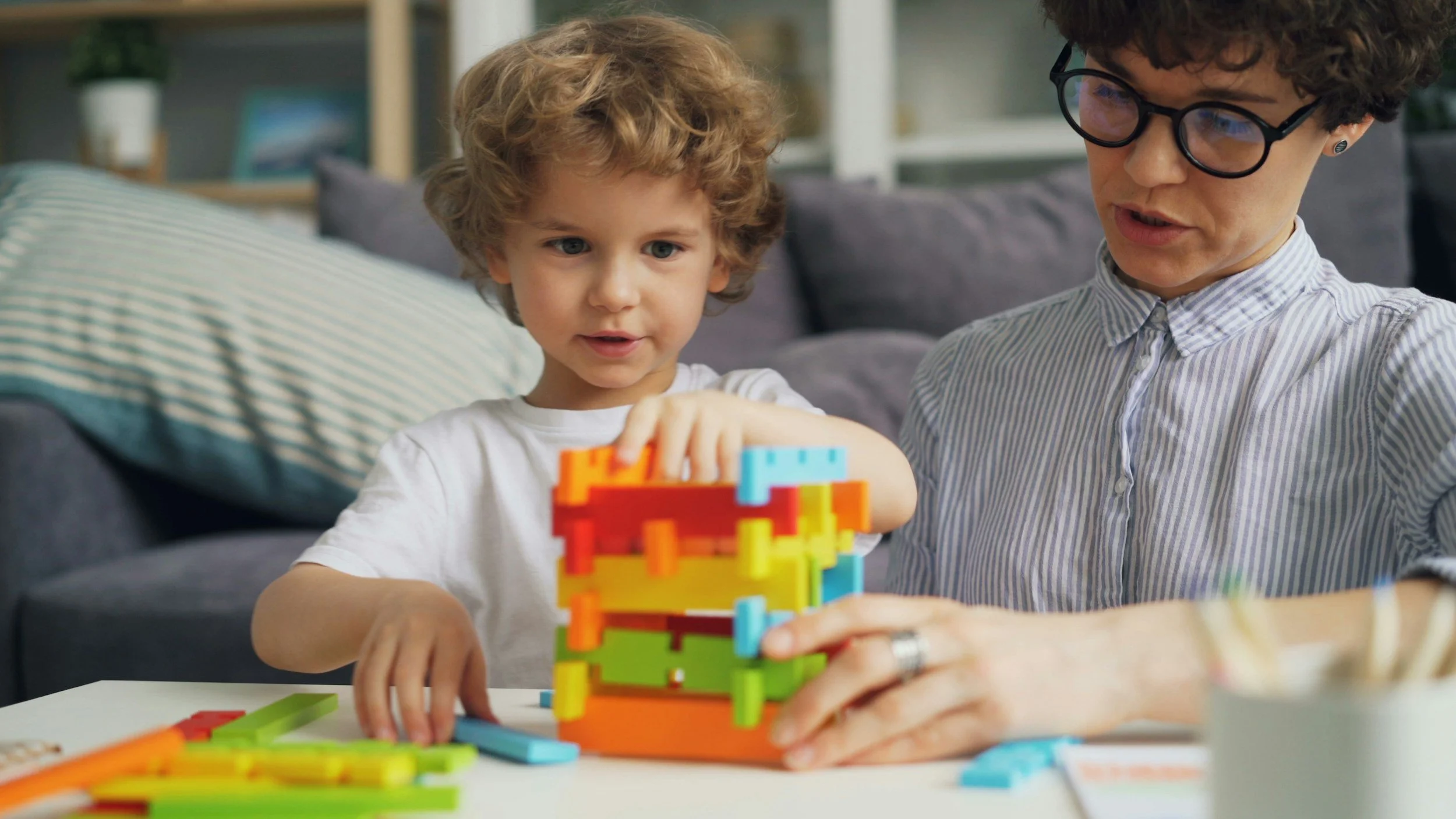
Behavioral Skills
Behavior is communication in itself and we may not always know how to align our cognitive processes to our physical output. Music has shown its ability to help reframe behavioral output by providing a different type of structure within interventions to reach target behavioral goals. Some examples of goals in this domain include but are not limited to:
Impulse Control
Behavioral Extinction
Modeling and Mirroring Skills
Recognizing and Maintaining Appropriate Boundaries
Turn Taking and Sharing Skills

Physical Skills
Movement is a large part of our daily functions. Whether we’re learning to tie our shoes or simply letting it loose on the dance floor, our bodies are constantly on the go. Music walks hand in hand with movement, offering a beat to step to, a rest for pause, and a melody to sing along to a spectrum of physical goals. Some examples of goals in this domain include but are not limited to:
Gross and Fine Motor Planning and Movement
Gait Control
Daily Living Skills Support
Range of Motion
Exercise